Dental
Why Do You Need Gum Graft After Braces?
Jan 14, 2026
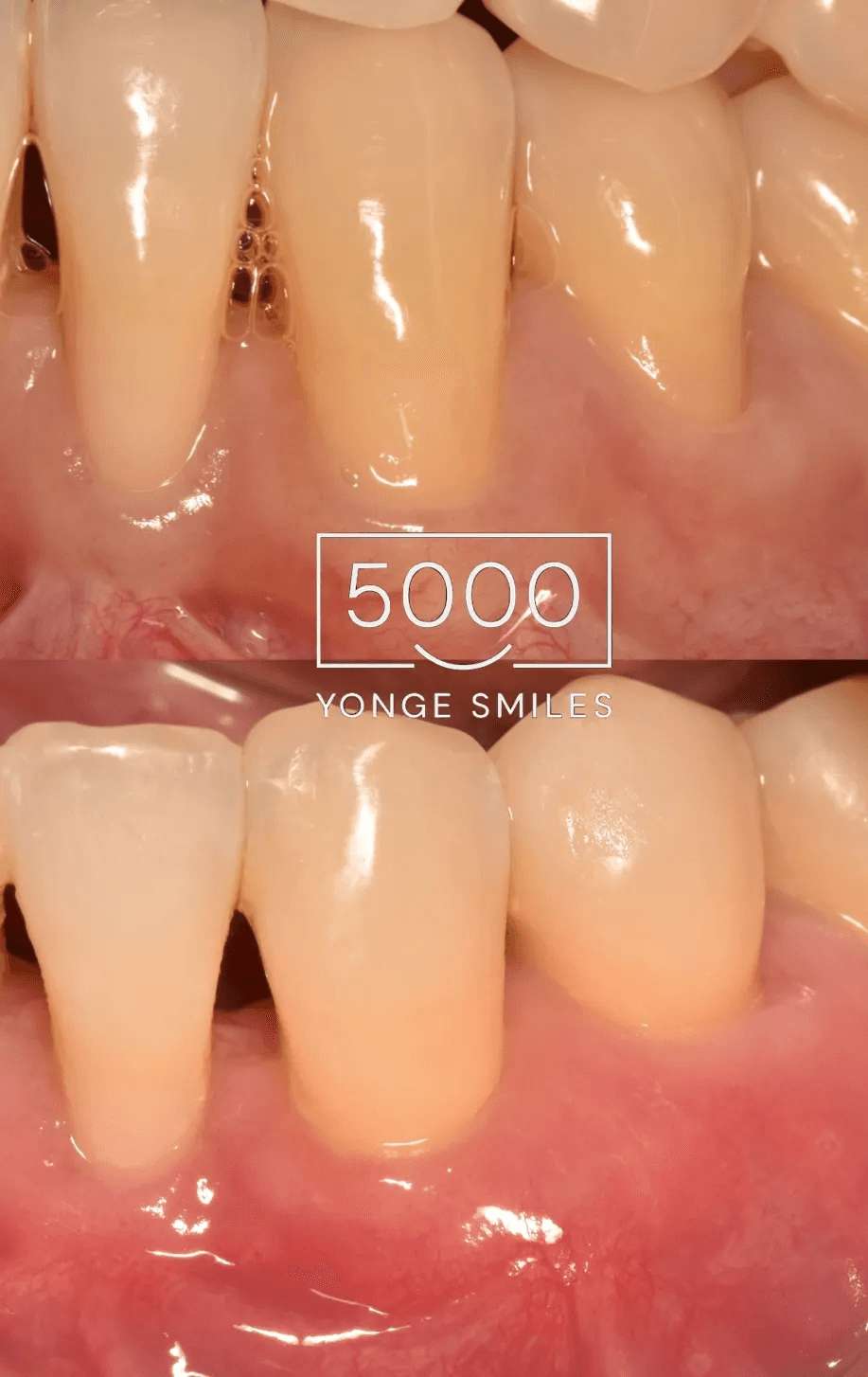
Congratulations! You’ve finished your orthodontic treatment (or are getting very close). Your teeth are straight, your bite is aligned, and your smile looks better than ever.
But then, during your final review, your dentist or orthodontist mentions something unexpected: "We recommend a gum graft."
Hearing you need a surgical procedure after spending months or years in braces can be frustrating. You might be thinking, "Did something go wrong?" or "Can't I just leave it alone?"
The short answer is: Nothing went wrong, but your smile might need this final step to stay healthy for the long haul. Here is why gum grafting is a common, and important, partner to orthodontic treatment.
1. The "Thin Gum" Type (Genetics)
The most common reason for post-braces grafting has nothing to do with the braces themselves—it’s about your anatomy.
Some people are born with "thin biotype" gingiva—basically, very delicate, thin gum tissue. When we move teeth to straighten them, we are pushing them into new positions within the jawbone. If you have naturally thin gums, that tissue can stretch and thin out even further as the tooth moves, leading to recession (where the gum lowers and exposes the tooth root).
2. Moving Teeth "Out of the Envelope"
Ideally, teeth sit perfectly in the center of the jawbone. However, to get that perfectly straight smile, we sometimes have to expand the arch or push teeth slightly forward to relieve crowding.
When a tooth is moved outward, it can press against the outer wall of the bone. If the bone is thin there, the gum tissue may recede because it lacks underlying support. This isn't a failure of the orthodontics; it is often a necessary trade-off to get the teeth straight without extracting them. A gum graft simply rebuilds that support system.
3. Why Can't We Just Leave It?
You might look in the mirror and think, "It doesn't look that bad to me." However, treating recession early is crucial for three reasons:
Sensitivity: The root of your tooth is not covered by hard enamel. Once exposed, it is highly sensitive to cold water, hot coffee, and sweets.
Root Decay: Softer root surfaces are much more prone to cavities than the crown of the tooth.
Stability: Your gums act as a seal and a shock absorber for your teeth. If that seal is compromised, you risk losing bone support over time, which can threaten the stability of that perfectly straight tooth.
The Good News: It’s a "Safety Seal" for Your Smile
Think of a gum graft not as a setback, but as an insurance policy for your new smile.
The procedure involves taking a small amount of tissue (usually from the roof of the mouth or a donor source) and tucking it around the tooth to thicken the gum tissue. This creates a band of thick, tough tissue (keratinized tissue) that is resistant to brushing and everyday wear.
By thickening the gums now, we ensure that your teeth stay covered, protected, and beautiful for decades to come.
Why Choose 5000 Yonge Smiles, North York for Gum Graft?
We can walk you through the process and make it a seamless experience. At 5000 Yonge Smiles @North York, we have expertise in Periodontal Surgery including Gum Graft. We can make the process comfortable and efficient. Call us today to book an appointment and start your journey toward a healthier, long lasting smile!